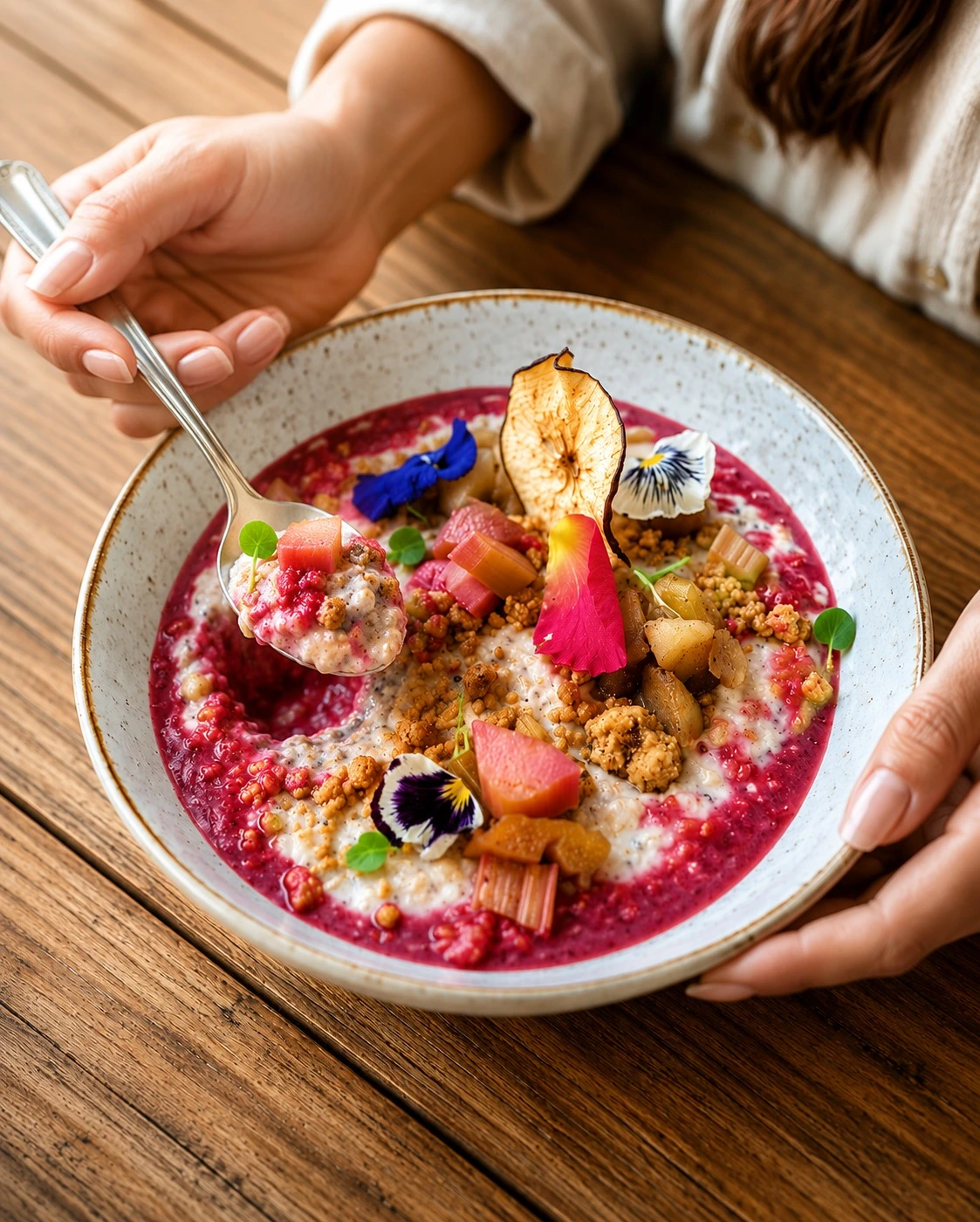
If your mornings feel rushed and your breakfast feels boring, it’s time to change that with a warm bowl of vegan porridge. This isn’t just a trend for plant-based eaters — it’s a genuinely comforting, nourishing way to start the day that anyone can enjoy.
Whether you’re new to plant-based eating or you’ve been dairy-free for years, this guide will show you exactly how to make the creamiest, tastiest vegan porridge at home. We’ll cover the health benefits, the best plant milks to use, topping ideas, flavour variations, storage tips, and answers to the questions people ask most.
By the end, you’ll have everything you need to make vegan porridge a regular part of your breakfast rotation — no dairy, no fuss, just a warm, satisfying bowl to start your day right.
What Is Vegan Porridge?
Vegan porridge is simply traditional oat porridge made entirely without animal products. Instead of cow’s milk, it’s cooked in plant-based milk — like oat, almond, soy, or coconut milk — or even just water.
The result is a creamy, warming bowl that tastes just as rich and comforting as the classic version, minus the dairy. It’s naturally vegetarian, typically gluten-free (if you use certified gluten-free oats), and endlessly adaptable to whatever ingredients you have on hand.
Porridge has been a breakfast staple across the world for centuries, from Scottish oat porridge to Australian “brekkie bowls.” The vegan version keeps all that comfort while fitting into a plant-based, dairy-free, or simply healthier lifestyle.
Why Oats Are the Star Ingredient
Oats are the foundation of any good vegan porridge. They’re naturally vegan, budget-friendly, and packed with slow-release energy that keeps you full until lunch. Rolled oats, steel-cut oats, and quick oats all work — you’ll just get slightly different textures.
Why You’ll Love Vegan Porridge
There are plenty of reasons this simple breakfast has become a favourite for busy Australians:
- It’s quick. Most versions take under 10 minutes on the stovetop.
- It’s budget-friendly. Oats and plant milk are some of the cheapest pantry staples around.
- It’s endlessly customisable. Sweet, spiced, fruity, or nutty — the flavour combinations are nearly limitless.
- It’s gentle on digestion. Warm, cooked oats are easy on the stomach, especially first thing in the morning.
- It fits your lifestyle. Whether you’re vegan, lactose intolerant, or just cutting back on dairy, this recipe works for you.
Once you try a really good bowl of vegan porridge, it’s easy to see why so many people make it their go-to breakfast.
Health Benefits of Vegan Porridge
A warm bowl of vegan oats isn’t just comforting — it also offers genuine nutritional value. Here’s what it brings to the table.
Fibre for digestion. Oats are rich in soluble fibre, particularly a type called beta-glucan, which supports healthy digestion and helps you feel fuller for longer.
Plant-based protein. While oats aren’t a complete protein on their own, pairing them with plant milk, nut butter, or seeds boosts the protein content, helping to support muscle maintenance and steady energy.
Vitamins and minerals. Oats contain a range of nutrients including iron, magnesium, and B vitamins, which support energy production and overall wellbeing.
Heart health support. According to the Heart Foundation, diets rich in wholegrains like oats are linked to better heart health outcomes as part of a balanced diet.
Digestive comfort. The soluble fibre in oats can help support gut health when eaten regularly as part of a varied diet.
Weight management. Because oats are slow to digest, a bowl of porridge can help manage hunger and reduce the temptation to snack before lunch.
Sustained energy. Unlike sugary cereals, oats release energy gradually, helping you avoid the mid-morning energy slump.
If you want to explore more nutritious ways to start your day, check out our guide to balanced breakfast options for more breakfast inspiration.
Note: This article provides general nutrition information and is not medical advice. For guidance tailored to your needs, consult a qualified healthcare professional or dietitian.
Ingredients for Classic Vegan Porridge
Here’s what you’ll need for a basic, foolproof bowl of vegan porridge.
| Ingredient | Amount | Notes |
| Rolled oats | 1/2 cup | Or steel-cut for a chewier texture |
| Plant-based milk | 1 cup | Oat, almond, soy, or coconut milk all work |
| Water | 1/4 cup | Optional, for a thinner consistency |
| Pinch of salt | 1 pinch | Enhances flavour |
| Maple syrup or sweetener | 1 tsp | Optional, to taste |
| Cinnamon | 1/4 tsp | Optional, adds warmth |
| Chia seeds | 1 tsp | Optional, boosts fibre and thickness |
This basic formula is your canvas — once you’ve mastered it, you can build endless flavour variations.
Step-by-Step Vegan Porridge Recipe
Follow these simple steps for a creamy, perfectly cooked bowl every time.
- Combine oats and liquid. In a small saucepan, add the rolled oats, plant milk, and water (if using).
- Heat gently. Place over medium heat and bring to a light simmer, stirring occasionally.
- Reduce heat. Lower to a gentle simmer and cook for 5–7 minutes, stirring often to prevent sticking.
- Check consistency. Add a splash more plant milk if the porridge looks too thick.
- Add salt and sweetener. Stir through a pinch of salt and your sweetener of choice.
- Simmer until creamy. Continue cooking for 1–2 minutes until the oats are soft and the texture is creamy.
- Remove from heat. Let it sit for a minute — it will thicken slightly as it cools.
- Add toppings and serve. Transfer to a bowl and finish with your favourite toppings.
Checklist before you start:
- Oats measured out
- Plant milk on hand
- Saucepan and spoon ready
- Toppings prepped
Best Plant-Based Milk Options
The type of plant milk you choose changes the flavour and texture of your porridge quite a bit. Here’s a quick comparison to help you pick.
| Plant Milk | Flavour Profile | Best For |
| Oat milk | Naturally sweet, creamy | Classic, all-purpose choice |
| Almond milk | Light, nutty | Lower-calorie option |
| Soy milk | Neutral, high protein | High protein vegan breakfast |
| Coconut milk | Rich, tropical | Tropical or dessert-style porridge |
| Cashew milk | Very creamy | Extra indulgent texture |
Oat milk is often the go-to for vegan oatmeal because its natural sweetness and creaminess pair perfectly with, well, oats.
Best Toppings for Vegan Porridge
The toppings are where you can really make your porridge your own. Some favourites include:
- Fresh berries (blueberries, strawberries, raspberries)
- Sliced banana
- Chopped nuts (almonds, walnuts, pecans)
- Seeds (chia, flax, pumpkin, sunflower)
- Nut butter (peanut, almond, cashew)
- Shredded coconut
- A drizzle of maple syrup
- A sprinkle of cinnamon or nutmeg
- Dairy-free yoghurt
- Granola for crunch
Mixing textures — creamy, crunchy, and fresh — is the secret to a genuinely exciting bowl of porridge.
Flavour Variations to Try
Once you’ve nailed the base recipe, try these popular twists.
Chocolate Vegan Porridge: Stir in a tablespoon of cocoa powder and a little extra sweetener for a dessert-like breakfast.
Berry Vegan Porridge: Fold through mashed or fresh berries while cooking for a naturally sweet, fruity bowl.
Apple Cinnamon Porridge: Add grated apple and a generous pinch of cinnamon for a cosy, autumn-inspired flavour.
Peanut Butter Porridge: Swirl in a spoonful of peanut butter just before serving for extra creaminess and protein.
Banana Porridge: Mash half a banana into the oats while cooking for natural sweetness and a soft texture.
Tropical Porridge: Use coconut milk and top with mango, pineapple, and toasted coconut flakes.
Pumpkin Spice Porridge: Stir in pumpkin puree and pumpkin spice for a seasonal favourite.
Nutrition Information (Approximate, Per Serve)
Values will vary slightly depending on your chosen plant milk and toppings.
| Nutrient | Approximate Amount |
| Calories | 220–280 kcal |
| Protein | 6–9 g |
| Carbohydrates | 35–40 g |
| Fibre | 5–7 g |
| Fat | 5–8 g |
| Sugar | 4–8 g (varies with sweetener) |
For a high protein vegan breakfast, consider adding a scoop of plant-based protein powder or extra nut butter.
Storage Tips
Vegan porridge stores well, making it a great option for meal prep.
- Refrigerator: Store cooked porridge in an airtight container for up to 4 days.
- Reheating: Add a splash of plant milk and warm gently on the stove or in the microwave, stirring often.
- Freezer: Portion into freezer-safe containers and freeze for up to 2 months. Thaw overnight in the fridge before reheating.
- Overnight oats option: For a no-cook version, combine oats, plant milk, and chia seeds in a jar and refrigerate overnight — perfect for busy mornings.
Common Mistakes to Avoid
Using too little liquid. This leads to thick, gluey porridge. Add extra plant milk gradually until you reach the right consistency.
Cooking on heat that’s too high. This can cause the oats to stick and burn on the bottom of the pan. Keep the heat gentle.
Skipping the salt. A small pinch of salt actually enhances sweetness and balances flavour — don’t leave it out.
Not stirring enough. Oats can clump or stick without regular stirring, especially in the last few minutes of cooking.
Overloading with sugar. Rely on natural sweetness from fruit and cinnamon before reaching for extra sweetener.
Expert Tips for the Best Vegan Porridge
- Toast your oats in a dry pan for 1–2 minutes before adding liquid for a deeper, nuttier flavour.
- Use a mix of two plant milks (like oat and coconut) for extra creaminess.
- Add a pinch of salt even in sweet porridge — it makes a noticeable difference.
- Let the porridge rest for a minute after cooking; it thickens as it sits.
- Prep toppings the night before to save time on busy mornings.
Frequently Asked Questions
1. What is vegan porridge?
Vegan porridge is made from oats cooked with plant-based milk (such as almond, oat, or coconut milk) instead of dairy. It contains no animal-derived ingredients, making it a 100% plant-based and cruelty-free breakfast option.
Is vegan porridge healthy?
Yes, vegan porridge is rich in fiber, complex carbohydrates, and plant-based nutrients. It’s cholesterol-free, supports digestion, and provides long-lasting energy — making it a balanced, heart-friendly breakfast choice.
How can I add more protein to vegan porridge?
You can boost the protein content by adding chia seeds, flax seeds, peanut butter, plant-based protein powder, or nuts. This makes the porridge more filling and supports muscle health.
Can vegan porridge be gluten-free?
Yes, using certified gluten-free oats makes vegan porridge easily gluten-free too. This makes it a great option for people with gluten intolerance or celiac disease.
What is the best plant-based milk for porridge?
Oat milk gives the creamiest texture, almond milk is light and low-calorie, while coconut milk adds a rich, tropical flavor. The best choice depends on your taste preference and nutrition goals.
Where can I try vegan porridge at The Spotted Owl?
You can try freshly made vegan porridge at The Spotted Owl, prepared daily with locally-sourced ingredients — a perfect choice for anyone looking for a healthy, plant-based breakfast.