Learning how to make cafe coffee at home is easier than most people think. You need fresh beans, clean water, and a little patience. In addition, a few simple habits separate a flat cup from a rich, smooth one. This guide shares those habits step by step.
First, you will see what makes cafe coffee different. Then you will learn to choose beans, grind them, and brew espresso. After that, we cover milk, iced drinks, and common mistakes. By the end, you will know how to make cafe coffee that rivals your favourite coffee shop in Sunbury.
How to Make Cafe Coffee: What Makes It Taste Different?
Cafe coffee tastes different because baristas control every variable, including bean freshness, grind size, water temperature, and milk texture. Home cups often miss one or two of these steps, so the flavour turns flat or harsh. Therefore, learning how to make cafe coffee means mastering small details, not simply buying expensive gear or gadgets.
- First, cafes weigh coffee and water instead of guessing.
- Next, they brew with water between 90°C and 96°C, which matches the Specialty Coffee Association’s home brewer standard.
- Also, they grind fresh for every order, so the aromas stay bright.
- Finally, they clean their equipment daily, which keeps old oils out of the cup.
As a result, a good cafe tastes the same on Monday as it does on Saturday. You can copy that routine at home with a few simple habits.
What Equipment Do You Need to Make Cafe Coffee at Home?
You need a burr grinder, a digital scale, a brewer, and a milk jug to make great cafe coffee. The grinder gives even grounds, while the scale keeps every single dose exact and repeatable. Moreover, a thermometer or a steady kettle helps you hit the right temperature each time, which keeps results consistent.
- Burr grinder: it crushes beans evenly, unlike a blade that chops them into uneven chunks.
- Digital scale: choose one that reads to 0.1 grams for espresso doses.
- Brewer: pick an espresso machine, moka pot, AeroPress, or plunger.
- Kettle: a gooseneck spout gives you control when you pour.
- Milk jug and thermometer: these help you stop steaming at the right point.
However, you do not need everything on day one to learn how to make cafe coffee. Begin with a grinder and a plunger, then upgrade as your skills grow.
Which Coffee Beans Make the Best Cafe Coffee?
Fresh, specialty-grade beans from a trusted local roaster make the best cafe coffee at home every time. Check the bag for a roast date, and use the beans within about a month of that date. For example, The Spotted Owl in Sunbury serves Axil Coffee Roasters beans as a house blend or single origin.
- Buy whole beans, because ground coffee loses its aroma within days.
- Choose a medium roast for milk drinks, since it balances sweetness and body.
- Try a lighter single origin when you drink your coffee black.
- Store beans in an airtight container, away from heat, light, and moisture.
In addition, skip the fridge. Moisture and strong food smells can dull the flavour of your beans. Good beans are the first step in how to make cafe coffee that tastes sweet and balanced.
What Grind Size Gives Cafe-Quality Coffee?
Espresso needs a very fine grind, while filter and plunger brews need medium to coarse grounds. Grind size controls how fast water pulls flavour out of the coffee, so it changes the whole cup. As a result, the wrong grind makes your coffee taste sour or bitter, even with excellent, freshly roasted beans.
- Espresso: fine, a little like table salt.
- Moka pot: medium-fine, slightly coarser than espresso.
- AeroPress: fine to medium, depending on your steep time.
- Plunger: coarse, close to the size of sea salt flakes.
Use taste as your guide. If your coffee tastes sour, grind finer. If it tastes bitter, grind coarser. Therefore, change only one thing at a time, so you can see what worked. This habit is central to how to make cafe coffee at home with confidence.
How Does Water Quality Change Your Cafe Coffee?
Water makes up about 98 per cent of a brewed cup, so its quality strongly shapes the final taste. Clean, fresh, filtered water gives a sweeter and more balanced result in the cup every time you brew. Meanwhile, hard or chlorinated tap water can mute flavour and leave scale that shortens your machine’s life.
- Use fresh, cold water every time you brew.
- Filter your water if your tap water smells strongly of chlorine.
- Bring water to a boil, then let it rest briefly, so it lands near 93°C.
- Descale your kettle and machine on a regular schedule.
In short, good water is the quiet partner in how to make cafe coffee that tastes clean.
How to Make Cafe Coffee With an Espresso Machine?
Weigh 18 grams of coffee, tamp it evenly, and extract 36 grams of espresso in 25 to 30 seconds. Use water near 93°C and nine bars of pressure, which most home espresso machines already provide. Then taste the shot, adjust your grind slightly, and repeat until the flavour feels balanced, sweet, and clean.
Follow the four steps below each morning, and you will soon know how to make cafe coffee with a machine.
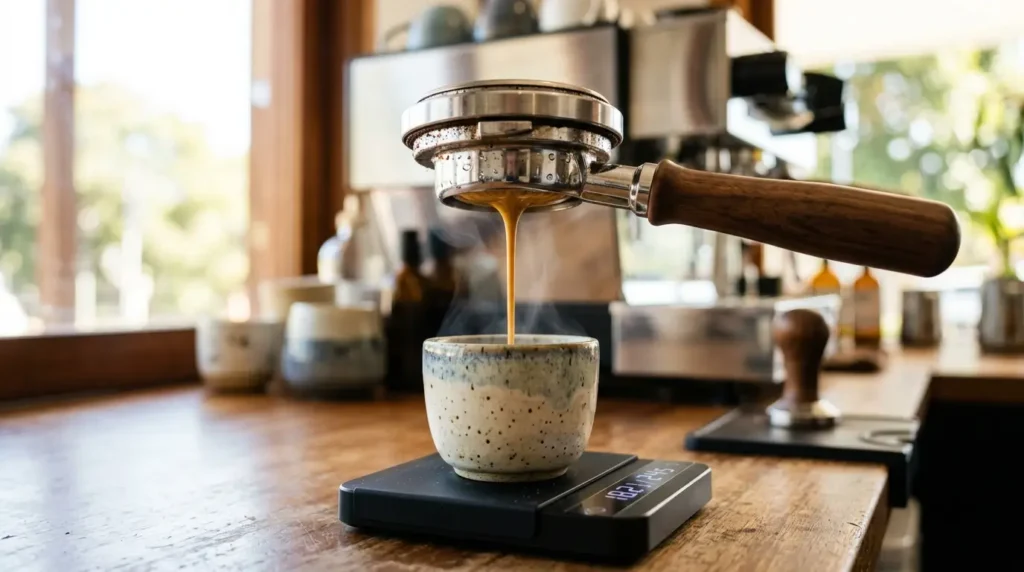 Perfecting the pour: Learning the steps on how to make cafe coffee starts with achieving the ideal espresso extraction.
Step 1: Preheat and Dose Your Coffee
First, run hot water through the empty portafilter and cup. Warm gear keeps your shot hot. Next, grind 18 grams of coffee into the basket. Level the grounds with your finger, so the bed sits flat.
Step 2: Tamp With Even Pressure
Press the tamper straight down until the coffee bed feels firm. Keep your wrist straight, because a tilted tamp leaves gaps. As a result, water rushes through weak spots and produces a thin, bitter shot.
Step 3: Pull and Taste the Shot
Start the shot and a timer together. Aim for about 36 grams of liquid in 25 to 30 seconds. If the shot runs fast, grind finer. If it runs slow, grind coarser. Then taste, adjust, and try again.
Step 4: Dial In Your Daily Recipe
Beans change as they age, so your recipe changes too. Therefore, adjust the grind a little every few days. Keep a small notebook beside your machine. Record the dose, the yield, and the time for each good shot.
How to Make Cafe Coffee Without an Espresso Machine?
A moka pot, an AeroPress, or a plunger can make strong, cafe-style coffee without a pricey espresso machine. Each tool extracts rich flavour when the grind size and the brew time suit the method you choose. That is how to make cafe coffee without a machine and still enjoy a bold, satisfying cup.
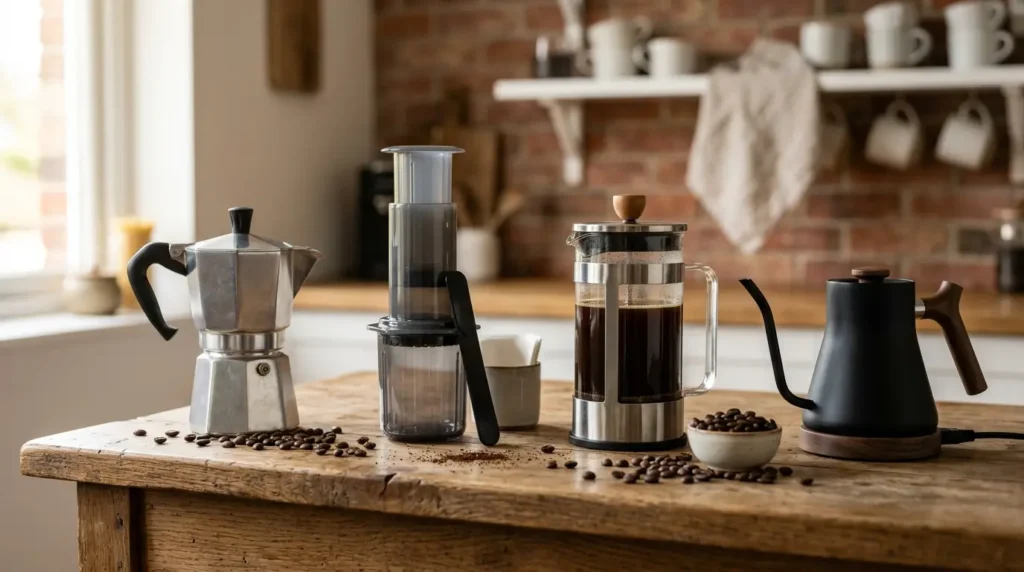 A selection of tools and equipment to help you learn how to make cafe coffee.
Moka Pot Method
- Fill the base with hot water, just below the safety valve.
- Add medium-fine coffee to the basket, but do not tamp it.
- Heat gently, then remove the pot as soon as it starts to gurgle.
AeroPress Method
- Add about 15 grams of fine-medium coffee and 200 grams of water at roughly 90°C.
- Stir, steep for around two minutes, then press slowly.
Plunger (French Press) Method
- Use coarse coffee at about 55 grams per litre, which echoes the SCA’s testing ratio.
- Pour water at 90°C to 96°C, wait four minutes, then press gently.
Because these brews are strong, you can top them with steamed milk for a latte-style drink.
How Do You Steam Milk Like a Barista?
Start with cold milk in a cold jug, add air briefly, then spin the milk until it turns silky. Stop at about 55 to 65°C, because milk tastes sweetest and feels silkiest in that narrow range. Beyond 70°C, milk tastes burnt and sour, according to several Melbourne cafe baristas interviewed by Good Food.
- Fill the jug about one-third full with cold milk.
- Place the steam tip just below the surface, then open the valve.
- Listen for a soft hiss for two or three seconds, which adds air.
- Lower the tip slightly, so the milk spins like a whirlpool.
- Stop when the jug feels hot but still holdable, near 60°C.
- Tap the jug on the bench and swirl it to polish the texture.
Silky milk completes how to make cafe coffee drinks that look and taste professional.
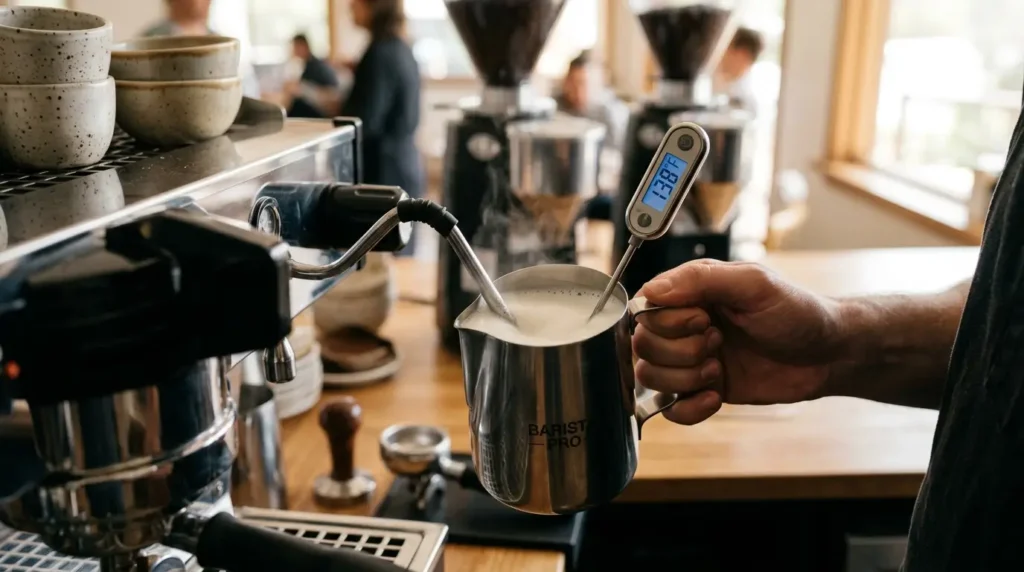 Perfecting your milk temperature and texture is crucial to understanding how to make cafe coffee at home.
Can You Steam Milk Without a Steam Wand?
Yes, you can steam milk without a wand by heating it on the stove and then frothing it well. Warm the milk gently to about 60°C, then use a handheld frother or a clean, sealed jar. The result differs slightly from a steam wand, but it still adds creamy body to your homemade lattes.
Which Milk Works Best for Cafe Coffee?
Full cream milk steams most easily because its natural fat and protein build a stable, creamy foam. Barista-style oat and soy milks also perform very well, and they suit most dairy-free coffee drinkers too. At The Spotted Owl, we also offer almond, coconut, and lactose-free milks, so every guest can find a favourite.
How to Make Cafe Coffee Drinks: Latte, Flat White, and Cappuccino
Each cafe drink starts with the same espresso base, but the milk texture, foam depth, and cup size change. A latte has the most milk and the lightest foam, so it tastes smooth and mellow. A flat white has velvety microfoam in a smaller cup, while a cappuccino has thick, airy foam on top.
- Latte: one or two shots, plenty of silky milk, and a thin layer of foam.
- Flat white: one or two shots in a smaller cup, topped with glossy microfoam.
- Cappuccino: espresso, steamed milk, and a thicker foam cap in roughly equal parts.
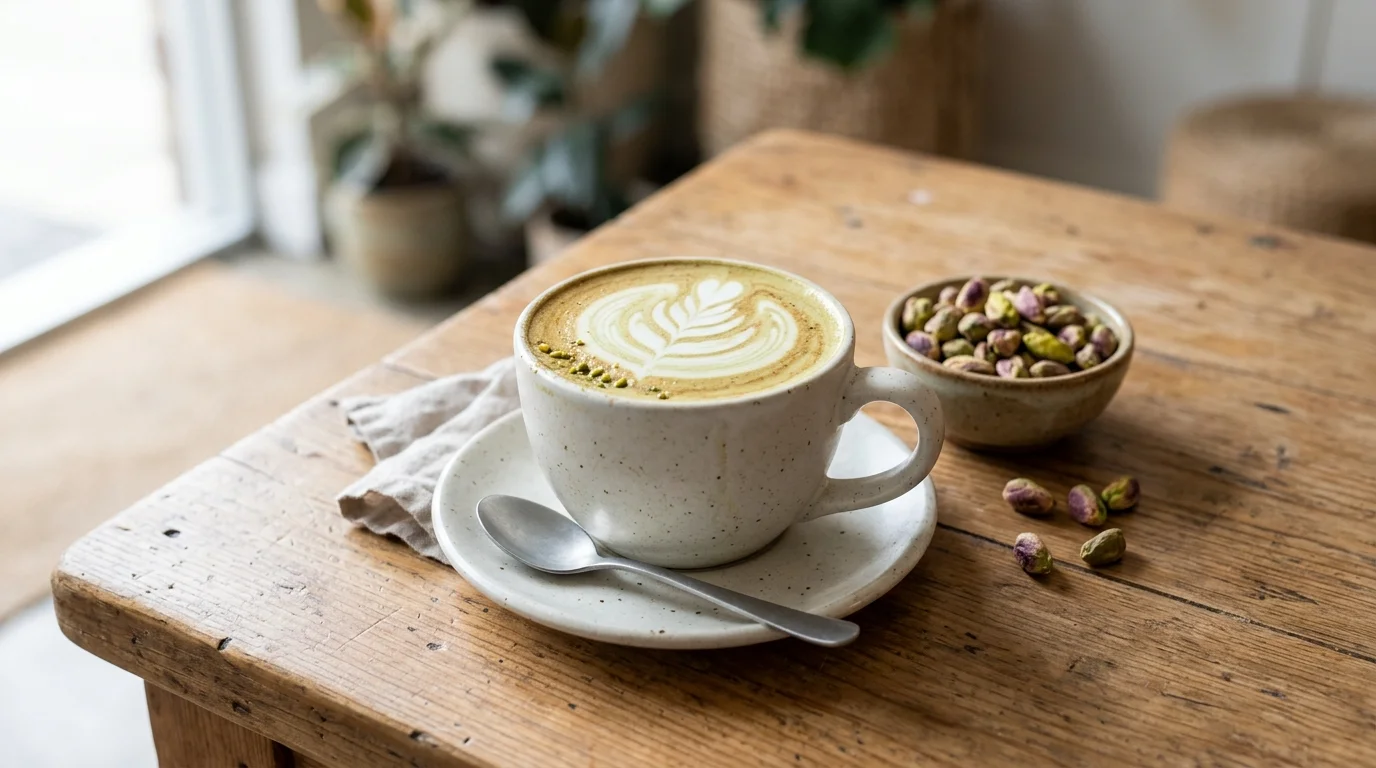
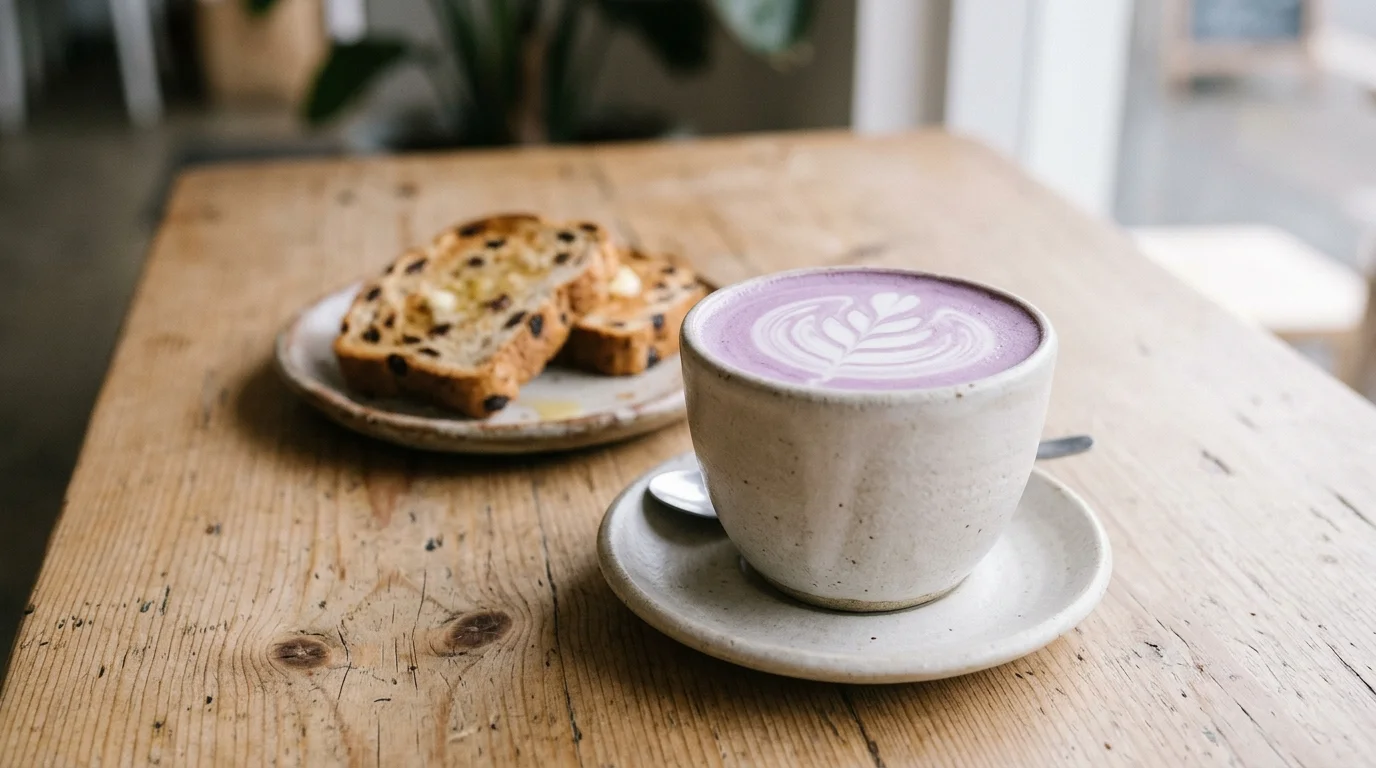
Also, add syrup to the cup before the milk if you like sweetness. Caramel, hazelnut, and vanilla are classic choices. For more ideas, see our drinks menu, which ranges from hojicha to pistachio lattes.
How Do You Make Iced Cafe Coffee at Home?
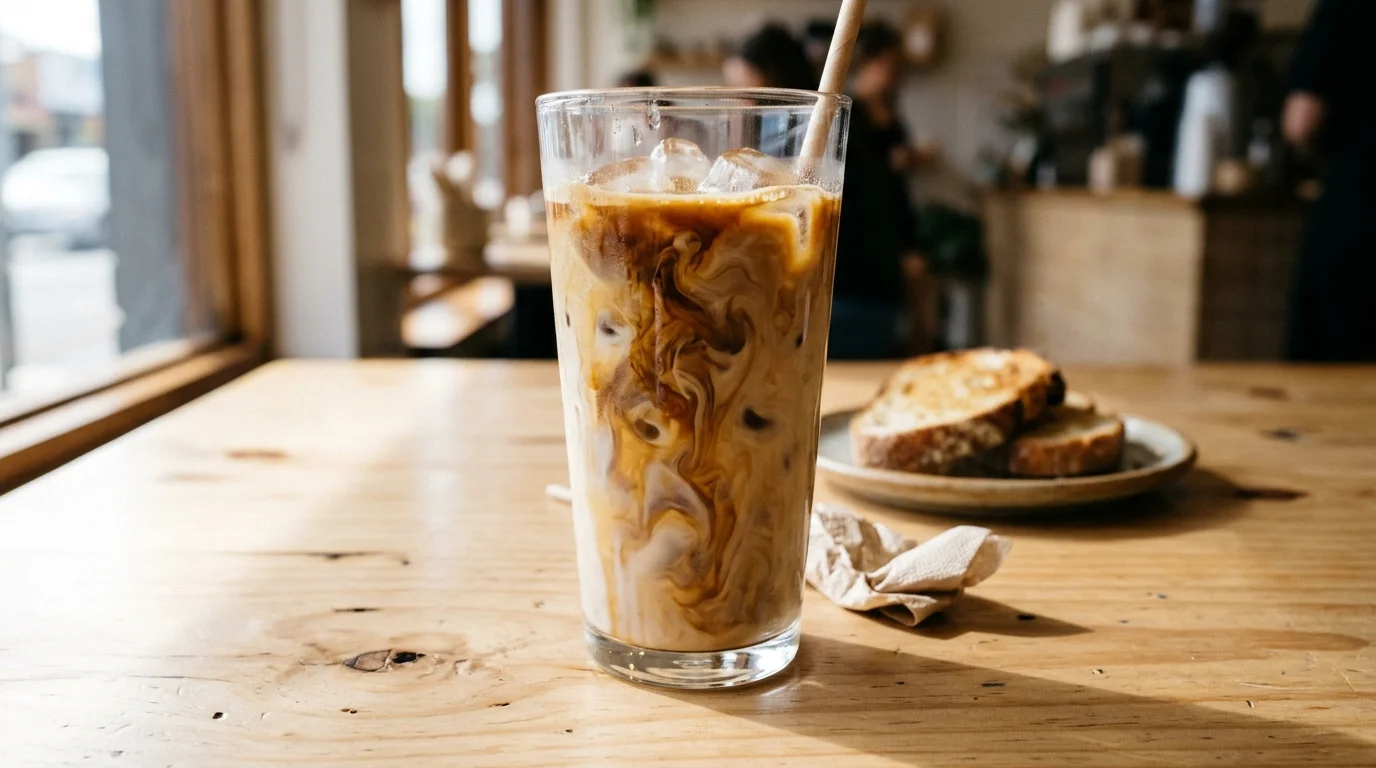
Pull a fresh double shot, let it cool briefly, then pour it over ice and top with cold milk. Brewing a strong, concentrated coffee prevents a watery drink, because the ice melts and dilutes the flavour. Additionally, stirring your syrup into the hot shot helps it dissolve evenly before you add the ice.
- Fill a tall glass with ice before you pour.
- Use a double shot, which is about 36 grams of espresso.
- Add cold milk last, so the layers look attractive.
- For an Australian-style iced coffee, add a scoop of ice cream, just like our menu does.
Once you know how to make cafe coffee hot, the iced version takes only a minute more.
How Do You Clean and Care for Your Coffee Gear?
Rinse your equipment after every drink, wipe the steam wand straight away, and deep clean everything thoroughly each week. Old coffee oils and dried milk turn rancid quickly, and they build up slowly inside your machine. As a result, they add sour, stale flavours to every new cup, even when your beans are very fresh.
- Purge the steam wand before and after each use.
- Rinse the portafilter and basket, then dry them.
- Brush grinder burrs weekly to remove old grounds.
- Descale your machine every few months, depending on your water hardness.
Clean gear is a quiet secret in how to make cafe coffee that tastes the same every day.
What Mistakes Ruin Homemade Cafe Coffee?
Stale beans, the wrong grind, boiling water, and dirty equipment ruin most homemade coffee for beginners and experts alike. These mistakes cause sour, bitter, or flat flavours, even when you follow a good recipe closely. Fortunately, each one has a simple fix, and most fixes take only a minute or two to apply.
- Stale beans: buy smaller bags more often.
- Boiling water: wait 30 to 60 seconds after the kettle boils.
- Guessing doses: weigh every dose on your scale.
- Dirty gear: rinse the portafilter and wipe the steam wand after each drink.
- Overheated milk: stop steaming before the milk passes 70°C.
Finally, keep notes. Write down your dose, grind, and time. Then you can repeat your best cup whenever you practise how to make cafe coffee.
Final Thoughts: Cafe Coffee at Home and in Sunbury
Now you know how to make cafe coffee with care. Fresh beans, a steady grind, accurate temperatures, and silky milk all matter. Start with one change today, such as weighing your dose. Then build from there.
Of course, some mornings call for a barista, even when you know how to make cafe coffee well. Meet the team on our about page, or book a table and get directions. We are at 93 O’Shanassy St, Sunbury, and we open at 7:00 am on weekdays and 7:30 am on weekends. Call (03) 9740 2120 to reserve your spot.